Join r/burnerwallet and Claim a Limited Edition Reddit Burner
Back to articles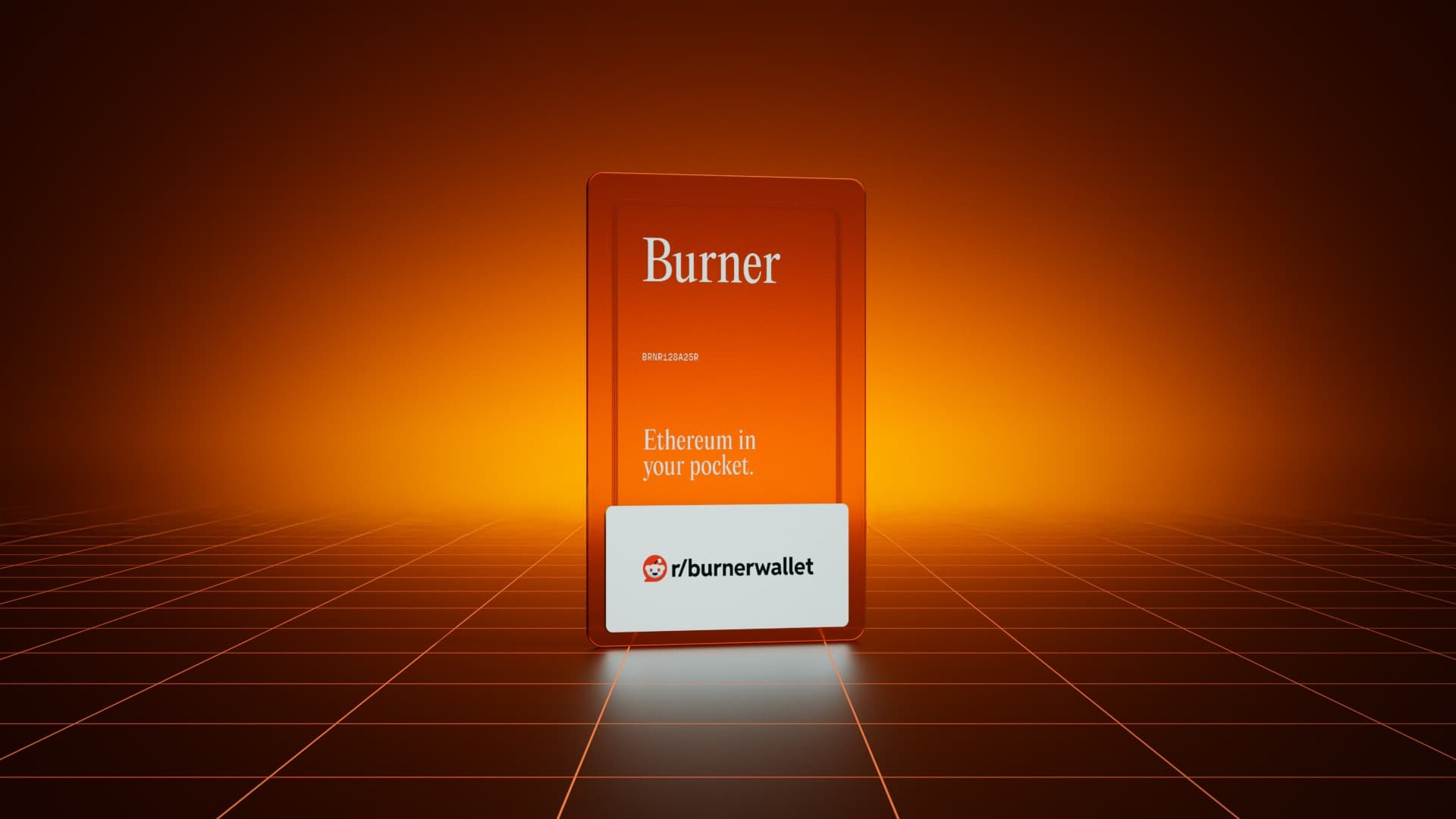
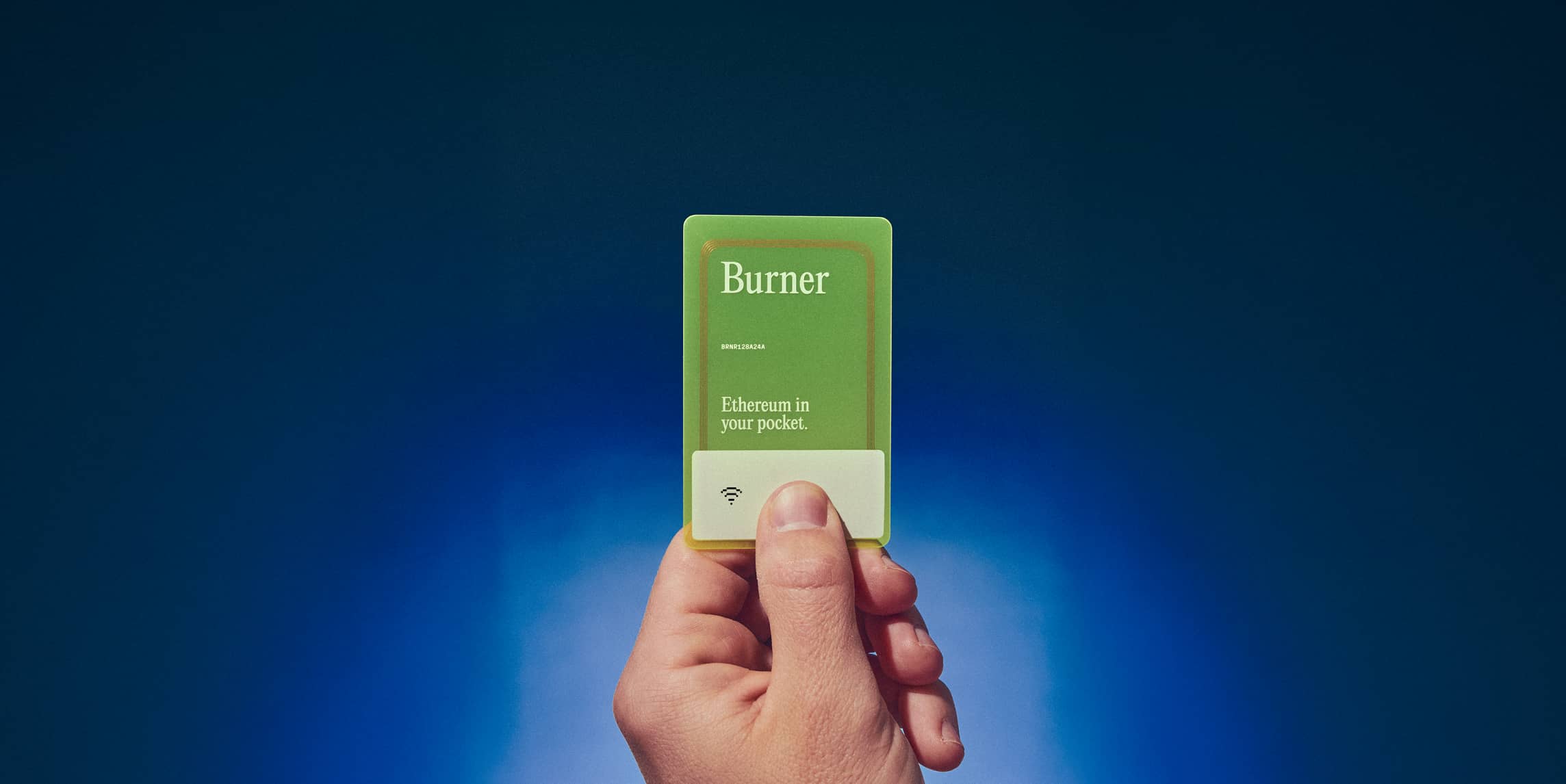
Burner started with a simple goal: make self-custody and crypto gifting easier, safer, and more accessible for everyone. Whether you’re using Burner Ethereum to gift, store, and spend Ethereum tokens, stablecoins, and other digital assets, or Burner Bitcoin to gift, stack, and secure sats, the idea is the same: a low-cost, secure hardware wallet that works without apps, seed phrases, or prior crypto expertise.

Over the past year, we’ve connected with users everywhere — at events, on social, and in our Telegram community. The feedback and vibes have been incredible. Now, we’re making it even easier for Burner users and enthusiasts to connect with each other.
Welcome to r/burnerwallet
We’ve launched r/burnerwallet, a dedicated subreddit for the Burner community. It’s a place to:
- Share how you’re using Burner
- Get tips, answers, and advice from the Burner team and fellow users
- Keep up with updates, experiments, and new releases
Post and Get a Limited Edition Reddit Burner

To celebrate the launch, we’re giving away 100 limited-edition Reddit Burners to users who share their experience on r/burnerwallet.
Here’s how to claim yours:
- Own a Burner wallet: You’ll need your original order number from when you bought it.
- Post about your experience: Make a post on r/burnerwallet sharing your honest impressions.
- Fill out the claim form: Complete this form - include a link to your Reddit post, your email, and previous Burner order number.
Your feedback doesn’t have to be glowing to get a free Burner (but it’ll make our day if it is). We want to hear the good, the bad, and everything in between, because that’s what helps make the product better.
Short, low-effort posts (like “It’s awesome.” or "Let's go!") won’t qualify, so take a moment to share something thoughtful.
See You on Reddit
So, what are you waiting for? Head over to r/burnerwallet, make your first post, and secure one of the rarest Burners we’ve ever made.
Get your Burner
What to read next
Back to articles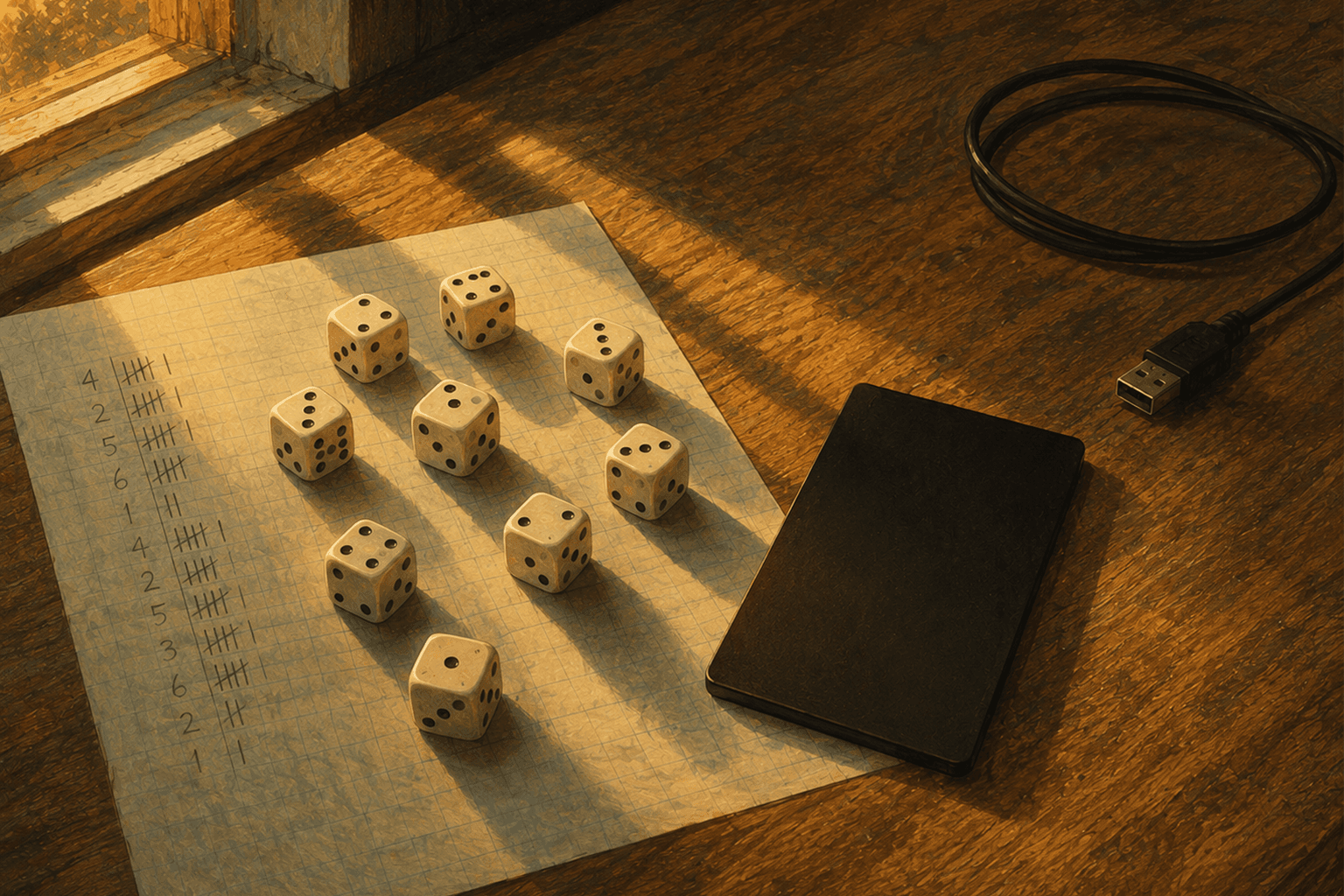
Coldcard's $116M Hack: Why One Entropy Source Isn't Enough
Every security feature on a hardware wallet protects the key after it exists. The recent Coldcard hack, roughly $116 million drained from more than 5,200 addresses, shows what happens when the number behind that key came from one source and the source was wrong.

Who Is Satoshi Nakamoto? The Suspects and the 2026 Hunt to Unmask Bitcoin's Creator
More than 17 years after Bitcoin's first block, no one has proven who Satoshi Nakamoto is. We go through the leading suspects, the competing answers from a 2026 documentary and the New York Times, and what Satoshi's untouched coins say about holding bitcoin yourself.
What is a Real-World Asset (RWA)? A Guide to RWAs on Base and How to Securely Store Them
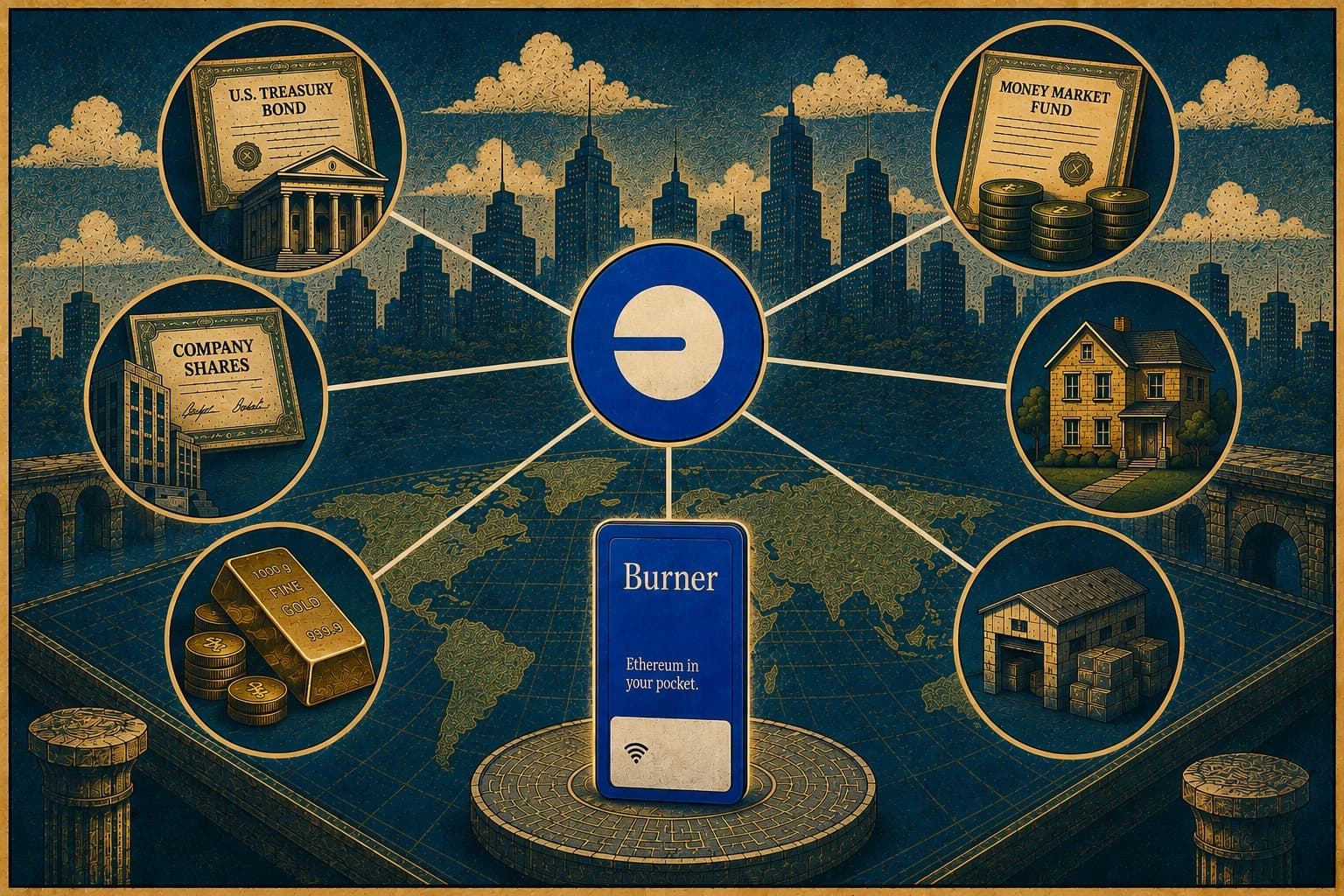
A real-world asset is something that exists off the blockchain, like a US Treasury bond, a money market fund, a bar of gold, or a share of stock, represented on-chain as a token. The token isn’t a new asset with value of its own. It’s a claim on the real one, recorded on a blockchain so it can be moved, split, and held the way you’d hold any cryptocurrency.