Burner Terminal: Tap to Pay for Stablecoins
Back to articles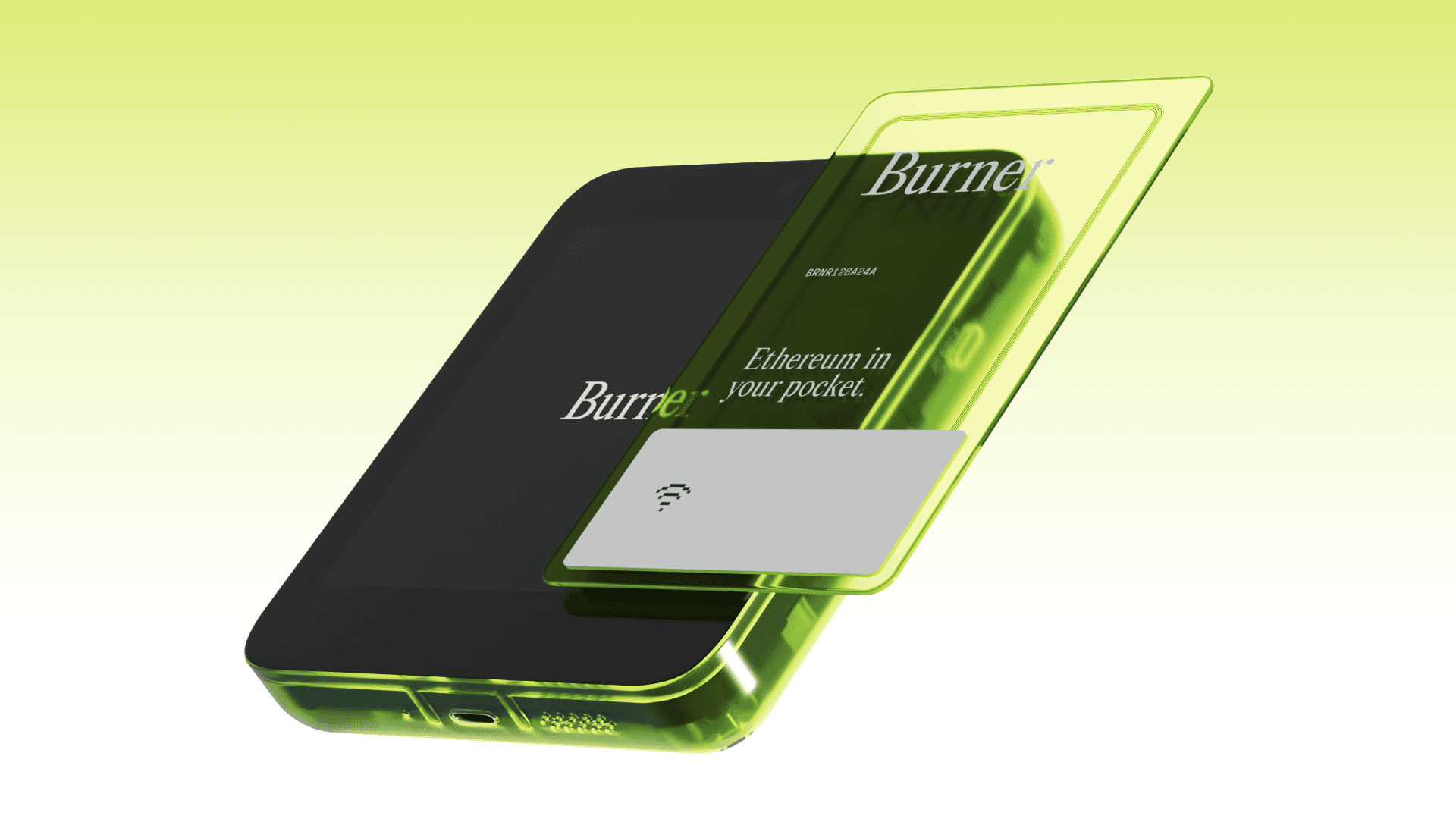
We’re thrilled to announce Burner Terminal, the first point of sale built for native tap to pay stablecoin payments. Designed for small businesses everywhere, it makes accepting stablecoins simple, secure, and free from chargebacks and high fees. As stablecoin adoption accelerates worldwide, Burner Terminal gives merchants greater flexibility and control, offering the convenience of a tap or scan with the reliability and finality of cash, without the cost or dependency of traditional payment rails.
Burner Terminal is a compact handheld device that brings stablecoin payments to the counter. It combines the familiarity of a modern card reader with the power of direct, crypto-native settlement. Simple, fast, and built for everyday use.
“We built Burner Terminal from the ground up to give both merchants and customers a new way to pay that keeps the simplicity of cash while operating entirely on digital rails,”
Cameron Robertson, Co-Founder, Arx Research
“Our goal is to make stablecoin acceptance a natural part of everyday business,”
David Myers, Co-Founder, Arx Research
Key Features
- Native Stablecoin Payments: Accept stablecoins instantly and directly via tap to pay or QR code. We're also working with Flexa to enable additional cryptocurrency support for those merchants who want to accept any token.
- Dual Payment Support: Accept both crypto and traditional cards in one device. Burner Terminal is EMV-certified and will support traditional payment networks Visa and Mastercard.
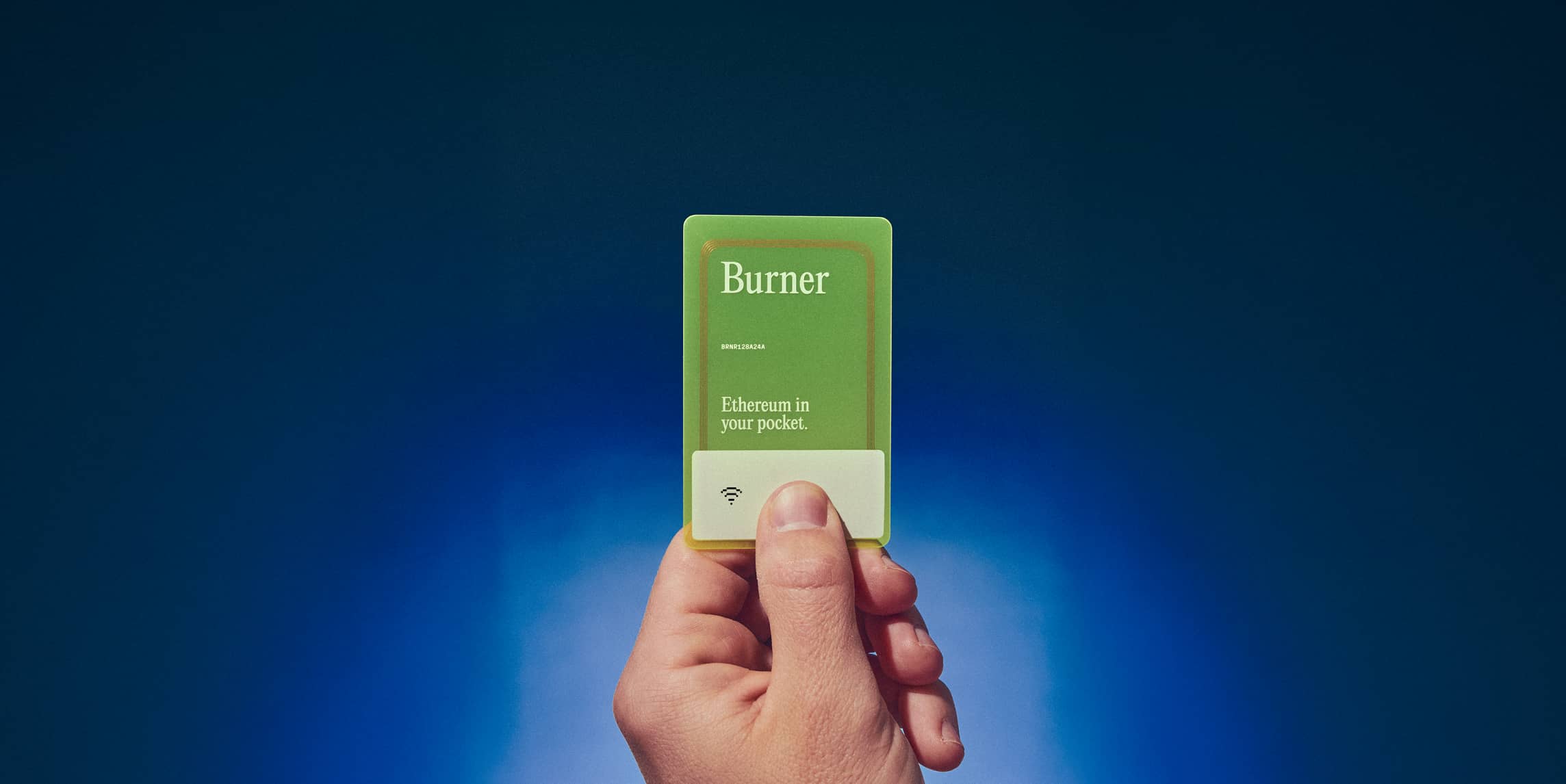
- Tap-to-Pay with Burner: Customers can tap any Burner card to pay with stablecoins. Those without a Burner can scan the on-screen QR code using any EIP-681 compatible Ethereum wallet like Base App.
- Gasless Transactions: USD II and USDC transfers from Burners are sponsored, so users never need ETH for gas fees, just the stablecoins they’re sending.
- Always Connected: Built-in Wi-Fi, LTE, and a rechargeable battery keep Burner Terminal online wherever it’s used, whether handheld or mounted in a charging cradle.
- Open and Extensible: Wallet developers can integrate directly with the Terminal’s open tap-to-pay interface.
Get Your Hands on the Future of Payments
Burner Terminal brings stablecoin payments to the counter, simple, fast, and built for the real world.
Sign up to be among the first to experience Burner Terminal when it launches early next year.
FAQ: Burner Terminal
❓ When will Burner Terminal be available?
We anticipate shipping early 2026.
❓ How much will it cost?
Burner Terminal will be priced under $200.
❓ What currencies does it support?
At launch, Burner Terminal will support USD II and USDC on Base, with more networks and stablecoins later in 2026.
❓ Can I also accept credit cards?
Yes. Burner Terminal is EMV-certified, enabling both contactless and chip-and-PIN credit card payments.
❓ Is it only for stablecoins?
No. Through integration with Flexa, merchants can also accept Bitcoin, Ethereum, and Solana.
❓ Does it require fees?
Stablecoin payments are fee-free for merchants. Traditional card processing will incur standard network fees.
❓ How can I partner to offer Burner Terminal?
If you’re interested in reselling or integrating Burner Terminal with merchant processing services, reach out to hello@burner.pro
Get your Burner
What to read next
Back to articles
Coldcard's $116M Hack: Why One Entropy Source Isn't Enough
Every security feature on a hardware wallet protects the key after it exists. The recent Coldcard hack, roughly $116 million drained from more than 5,200 addresses, shows what happens when the number behind that key came from one source and the source was wrong.

Who Is Satoshi Nakamoto? The Suspects and the 2026 Hunt to Unmask Bitcoin's Creator
More than 17 years after Bitcoin's first block, no one has proven who Satoshi Nakamoto is. We go through the leading suspects, the competing answers from a 2026 documentary and the New York Times, and what Satoshi's untouched coins say about holding bitcoin yourself.
What is a Real-World Asset (RWA)? A Guide to RWAs on Base and How to Securely Store Them
A real-world asset is something that exists off the blockchain, like a US Treasury bond, a money market fund, a bar of gold, or a share of stock, represented on-chain as a token. The token isn’t a new asset with value of its own. It’s a claim on the real one, recorded on a blockchain so it can be moved, split, and held the way you’d hold any cryptocurrency.