How the Ledger Implant Attack Worked, and How to Avoid It
Back to articles
TL;DR
- Ledger confirmed that a device sold through CryptoBilis, one of its authorized resellers, carried a hidden board that read the recovery words off the screen during setup. Genuine Check still passes on a device like that, because it only confirms the secure chip is real.
- It wasn't the first supply-chain attack on hardware wallets. The hardware attacks that have cost people money, from a pre-seeded Ledger sold on eBay in 2018 to this year's implants, all went after the recovery words.
- Other wallets that show the recovery words on a screen could be attacked the same way in principle, though no case has been documented.
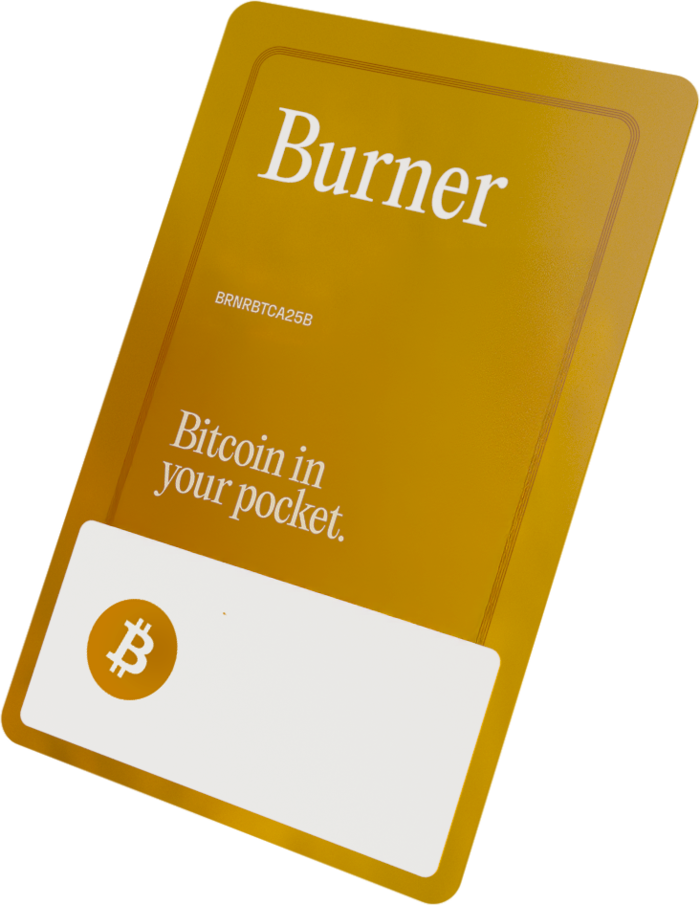
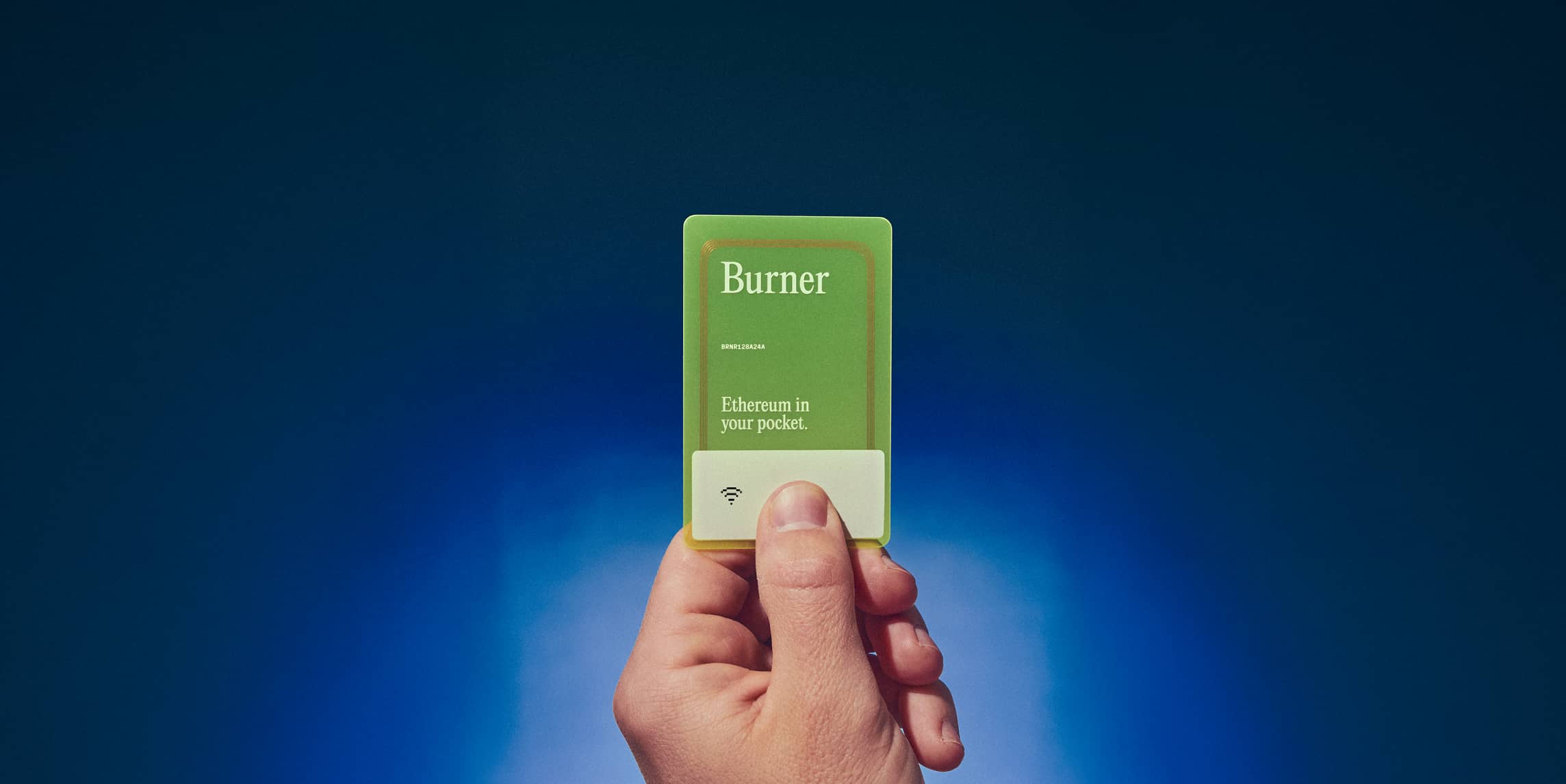
- A hidden board like the one in the CryptoBilis Ledgers would have nothing to read on a Burner card. There's no screen and no recovery phrase, because the key is created inside the card when you set it up.
- Buy from the maker's own store where you can, and treat recovery words or a PIN that arrive already set as a reason to stop. Short of opening the case, no check reliably rules out a hidden board, and weighing a device doesn't work.
Ledger, a hardware wallet maker since 2014 and one of the best-known names in self-custody, has confirmed that a device sold by one of its own authorized resellers had been tampered with. An organized group bought genuine Ledgers, opened them and fitted a small circuit board that read the 24-word recovery phrase off the screen during setup and sent it out over a mobile connection. The group then put the devices back on sale through resellers in Southeast Asia, including CryptoBilis, and later drained the wallets set up on them. The implant left the Secure Element, the tamper-resistant chip that holds the keys, untouched, so Genuine Check, the authenticity test in Ledger's app, still passes on a device modified that way. A hardware wallet can come from the right brand through an approved seller, pass every check its maker offers, and still have been opened before it reached you, but each stage of buying one, from choosing a seller to the first deposit, has a check that lowers the risk.
What Happened at CryptoBilis
CryptoBilis, a Kuala Lumpur-based retailer selling Ledger, Trezor, OneKey and other brands in Malaysia, Indonesia and the Philippines, was on Ledger's authorized list when it sold the affected devices. Ledger's October 15 response calls it "a localized distribution attack": the group collected devices over many months and drained the wallets in one coordinated operation, without exploiting any flaw in Ledger's chip, operating system or servers. Ledger has not confirmed how many people were affected or how much was taken, and hasn't named the model sold through CryptoBilis. The implanted units researchers have examined were Nano X devices bought elsewhere. The hardware security researcher Joe Grand bought his in August 2025 from a seller in Thailand on Lazada, an online marketplace widely used in Southeast Asia, and presented his teardown at the Hardwear.io conference in May 2026. Tibane Labs, a security firm, bought two through Amazon Japan and Yahoo! Auctions Japan.
The first reports of emptied wallets came on October 9, and within a week Ledger, Trezor and OneKey had each changed how they work with resellers:
Donjon described the implant on October 13 as a separate board that leaves the operating system alone and does not alter transactions or signatures. It steals the recovery words during setup, in four steps:
CryptoBilis Wasn't the First Supply-Chain Attack on Hardware Wallets
A supply-chain attack tampers with a wallet before its owner starts using it, by modifying the device, setting it up in advance, or compromising software it depends on. CryptoBilis is the latest of several documented since 2018, and the table below lists them, from a used Ledger sold on eBay to this year's implants. The ones that cost people money went after the recovery words, the written backup that lets anyone who has it recreate the wallet's keys. Attacks on the other target, the moment an owner approves a transaction, have stayed in the lab or come through software:
| Year | Device | What the attacker did | Target | Outcome |
|---|---|---|---|---|
| 2018 | Used Ledger sold on eBay | Seller set the device up with a seed they already knew and shipped the recovery card already filled in; the buyer used it as-is. | Recovery phrase (pre‑set) | Confirmed loss, reported at over $34,000 |
| 2020 | Ledger Nano X | Kraken Security Labs (the crypto exchange's research team) showed that a device modified before delivery could switch off its screen so the owner approves a transaction they can't see. | Transaction approval | Lab only; Ledger fixed it in firmware 1.2.4-2 |
| 2021 | Ledger Nano X, mailed | Customers whose details leaked in Ledger's 2020 data breach received a modified Nano X whose bundled app asked for their 24 words. | Recovery phrase (typed in) | Attempt; the recipient who reported it recognized the scam |
| 2022–23 | Counterfeit Trezor Model T | Trezor disclosed a small batch sold through a Russian classifieds marketplace; Kaspersky, the security firm, found the microcontroller replaced, bootloader checks removed, and the "random" seed drawn from 20 pre-generated seeds. | Recovery phrase (pre‑set by firmware) | Confirmed loss, amount not disclosed; the thieves waited a month after funding |
| 2023 | Ledger Connect Kit (software) | Compromised code in Ledger's library, which crypto websites use to connect to Ledger devices, went after their users' transaction approvals, with no physical modification of their wallets. | Transaction approval | Confirmed loss of about $600,000, per Ledger; through software |
| 2025–26 | Ledger Nano X from online sellers | The implant Joe Grand took apart is the display-reading board described above. He reported it to Ledger on March 4, 2026. | Recovery phrase (read off the screen) | Implanted specimens confirmed; victim count unknown |
| Oct 2026 | Ledger devices sold through CryptoBilis | The same kind of implant, sold through an authorized reseller, with wallets drained in one coordinated operation. | Recovery phrase (read off the screen) | Confirmed loss; third-party estimates $86M to $102M, unverified by Ledger |
Could the Same Attack Happen to Other Hardware Wallets?
The CryptoBilis board read the recovery words from the signal that drives the screen during setup, then sent them out over a mobile network. Four of the six wallets below also show the words on a screen at setup, though no one has shown a comparable board working on another model. OneKey has also built a separate site, tampered.app, that walks through the checks for Ledger and Trezor devices as well as its own.
| Brand | Could this attack work on it? | Would its check catch it? |
|---|---|---|
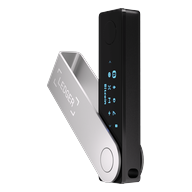 Ledger | Yes, and it did. The Nano X shows the 24 words on its screen during setup, and the board read them there. | No. Ledger says Genuine Check can't detect an implant if the original Secure Element is left in place. |
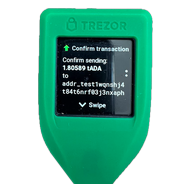 Trezor | Possible in principle. The Model T shows the recovery words on screen, but its case is ultrasonically welded shut. No case documented. | Not stated. On its Safe models, Trezor says the check confirms a device is "genuine and unmodified" without saying whether that covers an added part. |
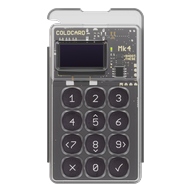 Coldcard | Possible in principle. The words appear on screen, and the Mk4's see-through case helps a visual inspection. No case documented. | Not stated. Coinkite says its sealed bag can be defeated with a knife and a heat press, and calls the bag one layer among several. |
 BitBox02 | Not with the default backup, which saves the words to a microSD card without showing them. They can be shown later for a written backup. No case documented. | No. BitBox says a passed check doesn't prove a device was never physically modified. |
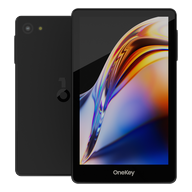 OneKey | Possible in principle. The Pro shows the recovery words on screen at setup. No case documented. | No. OneKey says neither of its checks can see an implant that only reads the screen. |
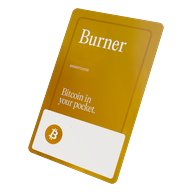 Burner | No. A Burner card has no screen and never shows a recovery phrase, so there's nothing for this kind of board to read. | Not applicable. BurnerOS authenticates the card and shows whether its key has been copied or used. |
Why This Attack Can't Work on a Burner Card
A Burner card is one of the most affordable hardware wallets around, the size and thickness of a credit card, with no screen, no battery and no recovery phrase. The CryptoBilis implant depended on all three: it read the recovery words off the screen, sat in the empty space inside the case, and ran its LTE modem on the device's own battery. A sealed card offers none of those. It has nothing on a display to read, no spare space to hide a board in, and no power except the brief charge it draws from a phone during an NFC tap, so a board like the CryptoBilis implant has nothing to work with, and the checks below confirm a card is genuine before you fund it.
The card also creates its own key. You tap it to a phone, and BurnerOS walks you through onboarding, including choosing a PIN. During that onboarding the secure chip creates the wallet key from three sources of randomness: values written at the factory, the chip's own hardware random number generator, and optional randomness you add yourself. If one source turns out to be weak, the other two still keep the key unpredictable. The thefts from Coldcard wallets this year showed what happens when a wallet's randomness fails: a predictable random number generator let attackers guess recovery phrases. The key is never exposed to the phone in plaintext, and because it doesn't exist until you onboard the card, a card that arrives already onboarded is a warning sign. Backup transfers an encrypted copy of the key to a second, authenticated Burner card.
Related: Coldcard's $116M Hack: Why One Entropy Source Isn't Enough
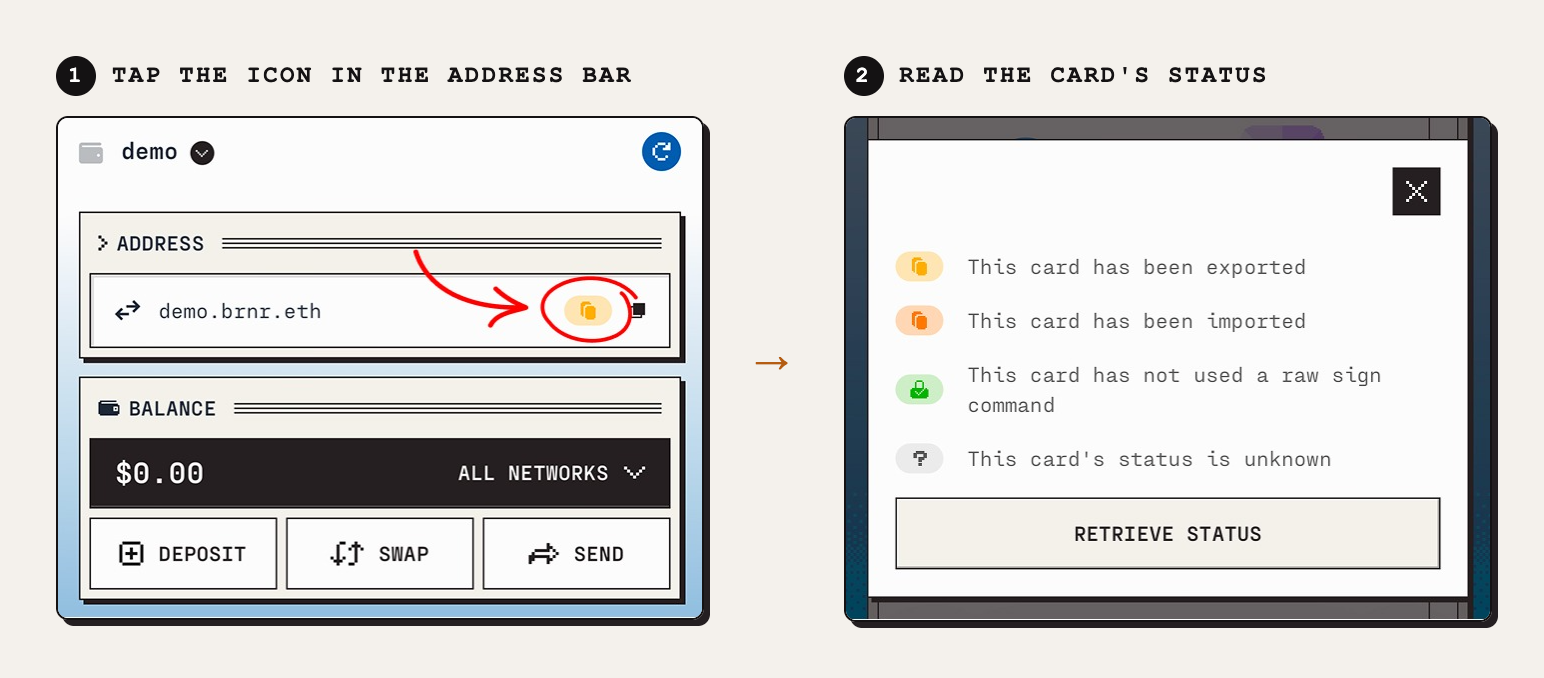
Two checks confirm a card is genuine and unused before you fund it: authenticating the card, and reading its tamper status. Each card leaves the factory with attestation key pairs that authenticate the card and vouch for its state and the wallet keys it generates, and the chip keeps a tamper status that you can see by tapping an icon on the right of the BurnerOS address bar. Tap that icon before you fund a card. It tells you whether the key has been copied to or from another Burner, which is what a backup does, so a copy you didn't make yourself is a reason to stop and contact Burner support.
Open BurnerOS by tapping the card to your phone rather than from a link someone sends you, which ensures you're using the genuine BurnerOS. Then review each transaction there and tap the card again to sign it. Keep a second card as your backup; even two cards cost less than most hardware wallets.
How to Tell If a Hardware Wallet Has Been Tampered With
There's no reliable way to tell from the outside. Checking where a device came from, inspecting its packaging, watching how it behaves the first time you use it and running its maker's authenticity check all help, but none of them rules out a hidden board. Weighing it doesn't work either: Karpelès, who has been tearing down implanted units, posted that devices vary by 1 to 2 grams while the Nano X implant weighs 1.1 grams. X-ray and radio-frequency detection are still experimental. Opening the case is the only way to look, and the maker's guidance comes first: Ledger's hardware-integrity guide strongly discourages taking apart the Flex and Stax, says opening a Nano Gen5 destroys it, and asks for a verified backup before any inspection it allows.
A Checklist for Buying a Hardware Wallet
Already Own One? What to Do Based on Where You Bought It
What to do depends on where you bought the device. Ledger is the brand with confirmed losses, so the table is written for Ledger owners, but the same steps carry over to other brands:
| Bought from | What's been reported | What to do |
|---|---|---|
| Direct from the manufacturer | Ledger says this channel was unaffected; no vendor has reported a tampered device sold from its own store. | Run Genuine Check in Ledger Live if you haven't, and keep the firmware current. |
| Authorized reseller | Confirmed incidents are in Southeast Asia; Ledger "has not verified a drain linked to a device bought elsewhere." | Read Ledger's hardware-integrity guide before opening anything, and only with a verified backup. If you suspect the device, move your funds to a fresh wallet. |
| Marketplace or second-hand | The implanted research units and the 2018 pre-seeded Ledger both came this way. | A reset clears a pre-set seed but not an implant. If funds are on it, move them to a fresh wallet on new hardware. |
| CryptoBilis | Confirmed losses, per Ledger. OneKey calls its response precautionary, and Trezor has no reports of tampered Trezors from it. | Follow Ledger's steps in the box at the top of this article. OneKey replaces for free any unit bought there Mar 1 to Oct 12, 2026; claim by Dec 31. |
Final Thoughts
Your first job is to create your recovery words in private, on a device nobody else has handled, and to type them only where the manufacturer's procedure asks you to. Several vendors still recommend their authorized resellers alongside their own stores, and whichever channel you buy from, the arrival and setup checks for your model are what stand between you and a device someone else has handled. Ledger's buying guide, Trezor's device-safety page, Coinkite's security and verification guide and BitBox's first-use page each spell out what their packaging and checks are meant to show, and they are the pages to read before the box is opened.
FAQ: Buying a Hardware Wallet Safely
❓ Does Ledger's Genuine Check detect a hardware implant?
No. Genuine Check confirms the Secure Element is real by checking it with Ledger's servers. Ledger says it can't detect a spying implant when the original Secure Element is left in place, and the CryptoBilis implant left that chip alone.
❓ Is it safe to buy a hardware wallet on Amazon?
Only from the manufacturer's own storefront or an authorized reseller on its list, and check the listing's "Sold by" name before you pay. Tibane Labs bought two of the implanted Nano X units it examined through Amazon Japan and Yahoo! Auctions Japan.
❓ Can I buy a used hardware wallet?
We recommend against it. Coinkite warns against used Coldcards outright, and Trezor warns against unauthorized third parties. The 2018 eBay Ledger case was a used device shipped with its recovery words already set, and a reset can't remove an implant.
❓ My wallet arrived with the recovery words already written down. Is that normal?
No. Ledger, Trezor, BitBox and OneKey each say a device never ships with a phrase or PIN pre-set and that pre-filled cards mean the device should not be used. Contact the vendor's support instead of setting it up.
❓ Is a holographic seal proof that a wallet hasn't been opened?
No. Ledger calls such seals trivial to clone and says its box tape is for packaging only. Trezor treats its connector seal as one check among several, and BitBox says packaging that looks normal proves nothing on its own.
❓ I bought a Ledger from CryptoBilis. What should I do?
If it isn't set up, don't set it up, and contact Ledger Support. If it is, move your funds to a new device with a freshly generated recovery phrase, and never enter or restore any phrase on the CryptoBilis device.
❓ Could the same attack work on a Trezor, Coldcard, BitBox or OneKey?
No case has been documented. Trezor, Coldcard and OneKey devices show the recovery words on screen at setup, so a similar board is possible in principle, while the BitBox02's default backup saves the words to a microSD card without showing them. Separately, Trezors with modified firmware have turned up from unauthorized sellers.
❓ Can a wallet with no seed phrase be tampered with?
Not in the way this attack works. The display-reading implant needs recovery words shown on a screen, and a Burner has neither. Before you fund a card, BurnerOS authenticates it and shows whether its key has been copied or used, and a card that arrives already onboarded shouldn't be used
Get your Burner
What to read next
Back to articles
Coldcard's $116M Hack: Why One Entropy Source Isn't Enough
Every security feature on a hardware wallet protects the key after it exists. The recent Coldcard hack, roughly $116 million drained from more than 5,200 addresses, shows what happens when the number behind that key came from one source and the source was wrong.

Who Is Satoshi Nakamoto? The Suspects and the 2026 Hunt to Unmask Bitcoin's Creator
More than 17 years after Bitcoin's first block, no one has proven who Satoshi Nakamoto is. We go through the leading suspects, the competing answers from a 2026 documentary and the New York Times, and what Satoshi's untouched coins say about holding bitcoin yourself.